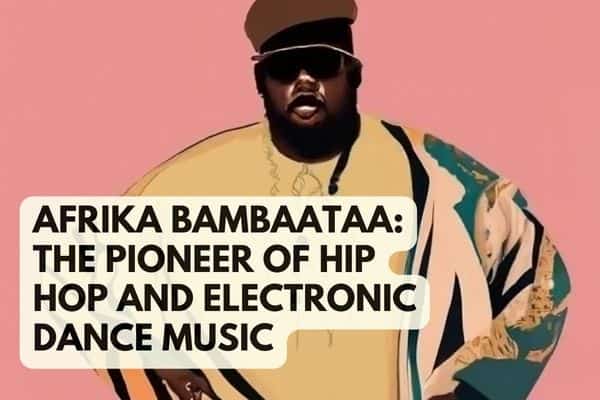
Some names just keep coming up when you talk about where modern music came from. Afrika Bambaataa is one of them. Born Kevin Donovan in the South Bronx in 1957, he went from running with one of New York’s most notorious street gangs to becoming one of the most important figures in the history of hip hop and electronic music. That’s not a small arc. And the music he made along the way still sounds like the future.
From Gang Life to Music

Growing up in the Bronx River Projects in the early 1970s, Bambaataa became a high-ranking member of the Black Spades — one of the largest and most feared street gangs in New York City at the time. Violence was everywhere. Options felt limited. But something shifted when he travelled to Africa and Europe after winning an essay competition, and what he saw changed his perspective permanently.
He came back to the Bronx with a different idea about what his neighbourhood could be. Music — specifically, the block parties and DJ culture that were already bubbling up around him — became the vehicle. Instead of gang warfare, he wanted something else. And he was going to build it himself.
The Universal Zulu Nation
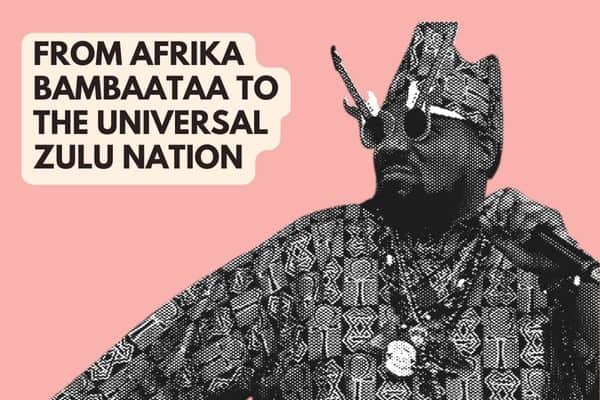
In 1973, Bambaataa founded the Universal Zulu Nation — an organisation built around the idea that music, dance, art and knowledge could replace gang culture and give young people in the Bronx something worth belonging to. He took the name “Afrika Bambaataa” in part from a 19th-century Zulu chief, reflecting a growing connection to his African heritage and a rejection of the identity the streets had handed him.
The Zulu Nation became the cultural backbone of early hip hop. It codified the four elements — DJing, MCing, breakdancing, and graffiti — as the pillars of the movement. What started as a Bronx community project eventually spread globally, with chapters forming across the world through the 1980s and beyond.
The DJ and the Sound
As a DJ, Bambaataa was genuinely unlike anyone else. Where most DJs stuck to one genre, he refused to. His sets moved through funk, soul, rock, electronic music, Kraftwerk, the Rolling Stones, calypso, African percussion — whatever he thought would work, he played it. And it worked. His ability to read a crowd and take them somewhere unexpected was the foundation of everything.
He was one of the first DJs in the hip hop scene to embrace drum machines and synthesizers as creative tools, not just studio equipment. That instinct — that electronic sounds belonged on the dancefloor — put him at the intersection of hip hop and what would eventually become house and techno. He didn’t just influence those genres from a distance. He was in the room when the walls came down.
Collaborations and Planet Rock
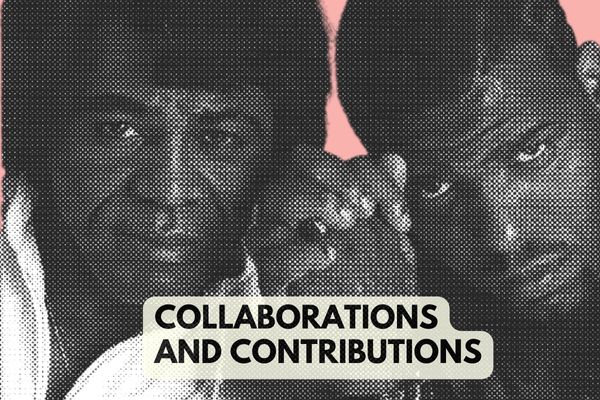
In 1982, Bambaataa and the Soulsonic Force released “Planet Rock” — a track that took Kraftwerk’s “Trans-Europe Express” and “Numbers,” ran them through a Roland TR-808 drum machine, and came out the other side as something nobody had ever heard before. It was hip hop, it was electronic, it was funk. It was its own thing. “Planet Rock” didn’t just chart — it rewired what producers thought was possible.
He followed that with “Unity” in 1984, a collaboration with James Brown that fused funk and hip hop in a way that felt completely natural. The same year he released “World Destruction” with John Lydon — the former Johnny Rotten of the Sex Pistols — which still sounds jarring and brilliant today. That range tells you everything about how Bambaataa thought about music. Genres were just starting points.
Legacy and Influence

Here’s a classic Bambaataa Mixtape
The influence of Afrika Bambaataa is genuinely hard to overstate. “Planet Rock” alone can be heard in the DNA of electro, Miami bass, techno, UK rave culture and countless tracks that came after it. The TR-808 sounds he helped popularise are still everywhere in modern music — you hear them every day without realising it. And the framework he built through the Zulu Nation gave hip hop its cultural identity at a moment when it could have stayed a neighbourhood thing and never gone any further.
Beyond the music, Bambaataa used his platform to push for peace and community in a part of New York City that desperately needed it. The block parties weren’t just parties — they were an alternative to violence, a reason to show up and be part of something. That idea, that music can organise people around something positive, runs through everything he did.
A Final Note

Afrika Bambaataa is a complicated figure — his later years were marked by serious allegations that cast a shadow over his legacy, and that’s something his story can’t sidestep. But his contribution to music and culture in the 1970s and 1980s is real and documented. The sounds he made, the movement he built, the doors he opened for generations of artists — those things happened, and they matter. You can hold both truths at the same time.
For anyone who loves electronic music, hip hop, or DJ culture, understanding where Bambaataa fits in the story is essential. He was at the origin of something enormous, and he helped make it what it is.
FAQ’s

Who is Afrika Bambaataa?
Afrika Bambaataa, born Kevin Donovan in 1957 in the South Bronx, is a DJ, producer and cultural organiser who played a foundational role in the development of hip hop and electronic dance music. He founded the Universal Zulu Nation, released the landmark record “Planet Rock” in 1982, and helped define the four elements of hip hop culture.
What made his DJ style different?
Bambaataa refused to stick to one genre. His sets moved through funk, soul, rock, Kraftwerk, African music and whatever else he thought would move the crowd. He was also an early adopter of drum machines and synthesizers as live DJ tools, which put him ahead of almost everyone around him at the time.
What is Planet Rock and why does it matter?
“Planet Rock” (1982) by Afrika Bambaataa and the Soulsonic Force is widely considered one of the most important records in the history of electronic music. It sampled Kraftwerk, used a Roland TR-808 drum machine, and created a blueprint for electro, techno, and countless genres that followed. It showed producers that hip hop and electronic music could exist in the same space.
What was the Universal Zulu Nation?
The Universal Zulu Nation was an organisation Bambaataa founded in 1973 in the Bronx. It was built around using music, dance, art and knowledge as alternatives to gang culture and street violence. It became the cultural foundation of the early hip hop movement and eventually grew into a global organisation.
What collaborations is he known for?
His most celebrated collaborations include “Unity” (1984) with James Brown, which fused funk and hip hop, and “World Destruction” (1984) with John Lydon (formerly Johnny Rotten of the Sex Pistols). Both tracks showed his willingness to cross genre and cultural boundaries in ways nobody else was attempting at the time.
If you enjoyed this post then check out our review of the best DJs who shaped the EDM scene.
Also check out our Youtube Video on Making a DJ mix in Ableton Live