Electronic dance music didn’t emerge fully formed from a vacuum. It was built track by track, night by night, by a relatively small group of DJs who understood something about music and community that the mainstream hadn’t caught up with yet. This is a look at ten of the most important figures in that story — where they came from, what they built, and why it still matters.
Andy Weatherall – Acid House Pioneer
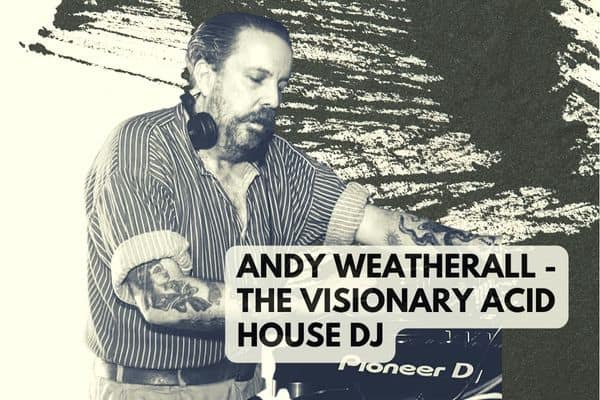
Andrew Weatherall started out working in a record shop as a teenager and ended up becoming one of the most distinctive and influential figures in British electronic music. He co-founded Boy’s Own Magazine in the late 1980s — a fanzine that helped document and shape the early acid house and rave scenes — before his career as a remixer and DJ took off in a serious way.
His remix of Primal Scream’s “Loaded” in 1990 is the work he’s most associated with, and justifiably so — it’s one of those records that genuinely defined a moment. As part of Sabres of Paradise, he developed a sound that wove together ambient, dub and techno in ways that felt unlike anything else at the time. His DJ sets followed a similar logic: wide-ranging, unhurried and built on an exceptionally deep knowledge of music across genres.
Later in his career he collaborated with Timothy J. Fairplay on “Ruled by Passion, Destroyed by Lust” and co-hosted the “A Love from Outer Space” radio show, which gave him a platform to dig into the more obscure corners of his record collection. He passed away in 2020, but his influence on everyone who plays records in a club or bedroom is still very much felt.
Larry Levan – The Paradise Garage Resident
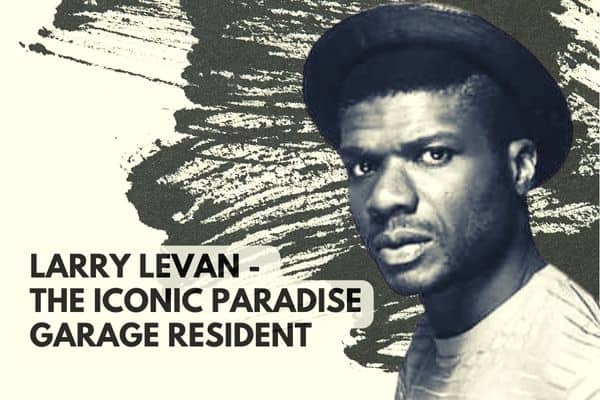
Larry Levan’s name is inseparable from the Paradise Garage, the New York club where he was resident DJ from 1977 until it closed in 1987. The Garage had a sound system built to his specifications, and what he did with it over those ten years set a benchmark for what a DJ residency could be that hasn’t really been surpassed.
His remixing work was equally important — he had an instinct for finding what was essential in a track and stretching it out into something that worked on a dancefloor at three in the morning. Beyond the technical ability, Levan created a space where the crowd mattered as much as the music. The Paradise Garage was inclusive and welcoming in ways that many clubs at the time simply weren’t.
He passed away in 1992, but the style of DJing he developed — deep, soulful, emotionally intelligent — runs directly through house music and everything that came after it. The term “garage” as a genre name is a direct reference to the club he made legendary.
David Mancuso – The Loft
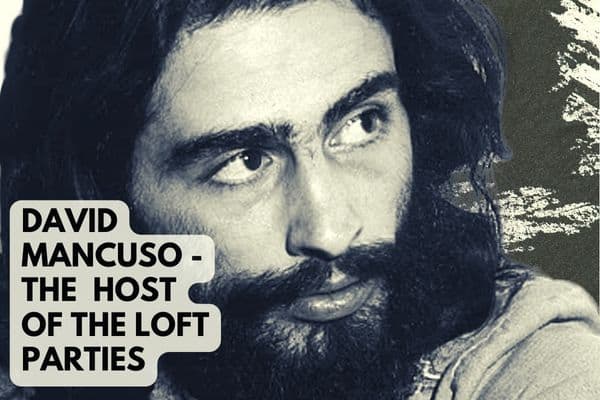
David Mancuso’s contribution to club culture is difficult to overstate. From 1970 onwards, he hosted private parties in his Manhattan loft apartment that became the template for everything that followed. The Loft was invitation-only, non-commercial — Mancuso funded the events himself and didn’t charge admission — and obsessively focused on sound quality. He invested heavily in his audio system and played records exactly as they were pressed, without mixing or EQ adjustments.
What he created was a social space as much as a musical one — genuinely diverse, genuinely welcoming, built around the idea that music could bring people together across the usual dividing lines. That ethos directly influenced everyone who came through the door, including Larry Levan and Frankie Knuckles, who took those ideas and built their own versions of them.
When the city tried to shut the parties down, Mancuso and the community fought back legally and won. He continued hosting Loft events in various forms for decades, remaining committed to the original vision of what a party could be until his passing in 2016.
Frankie Knuckles – The Godfather of House Music
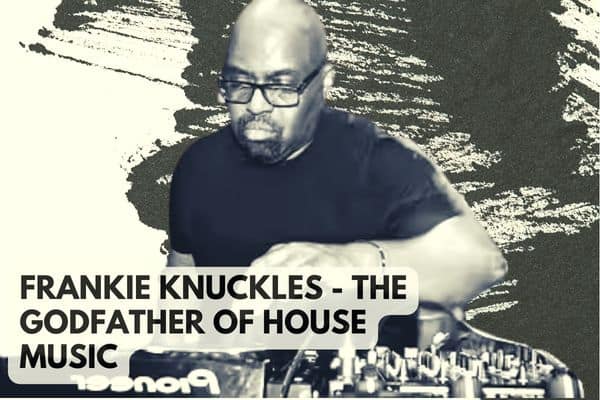
Frankie Knuckles earned the title “Godfather of House Music” and it’s one of those rare cases where the label actually fits. As resident DJ at The Warehouse in Chicago from 1977, he was present at the creation of house music — not as a passive observer, but as the person most responsible for shaping what it sounded like and felt like. The genre’s name comes directly from the club he worked at.
His approach combined disco, soul and emerging electronic sounds in a way that felt new but emotionally familiar. He was also a serious remixer — his extended dance edits became the blueprint for how club tracks were constructed — and his 1997 Grammy for his remix of Mariah Carey’s “Fantasy” brought him recognition well beyond the dance music world.
The Warehouse under Knuckles was, like the Paradise Garage and The Loft, a genuinely inclusive space at a time when that wasn’t common. Chicago renamed a section of Jefferson Street “Frankie Knuckles Way” in 2004 in recognition of what he meant to the city’s culture. He passed away in 2014.
Juan Atkins – Detroit Techno Pioneer
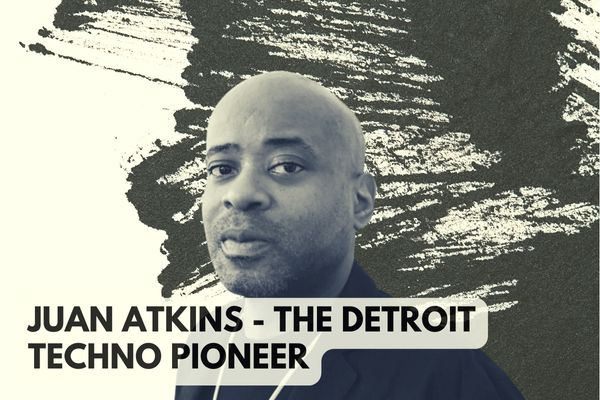
Juan Atkins is one of the founding figures of Detroit techno — a genre that emerged in the early 1980s from a very specific set of circumstances: a post-industrial city, a generation of young Black musicians with access to electronic instruments, and an ear tuned to both European electronic music and American funk. Along with Derrick May and Kevin Saunderson, Atkins formed what became known as the Belleville Three, a grouping that effectively created the template for techno.
As part of Cybotron, he released “Clear” in 1983 — a track that fused electro, funk and synthesizers in a way that pointed directly toward where electronic music was going. Under his alias Model 500, “No UFOs” in 1985 pushed things further, establishing the lean, machine-driven aesthetic that would define Detroit techno as a genre.
His influence extends well beyond techno into house, electro, ambient and most of the electronic subgenres that followed. He continues to DJ and produce, and remains one of the most important figures in the history of electronic music by any measure.
Nicky Siano – Disco Pioneer
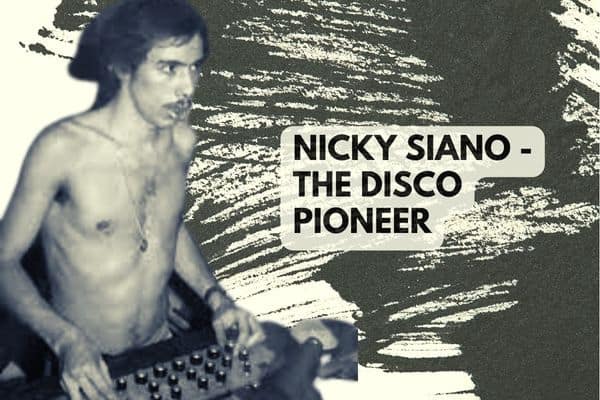
Nicky Siano was at the centre of New York’s early disco scene in ways that don’t always get the recognition they deserve. He co-founded The Gallery in 1972 — before Studio 54, before the Paradise Garage — a club that became a home for the city’s LGBTQ+ community and a space where disco as a movement took shape. He was among the first DJs to develop the extended remix format, stretching tracks out for a dancefloor audience in ways that hadn’t been done before.
His later residency at Studio 54 brought him to a much wider audience, but The Gallery years were arguably more significant in terms of his actual contribution to the culture. He played an eclectic mix of soul, funk and disco, and his sets were known for the emotional journey they took the crowd on rather than just keeping the energy consistently high.
He has remained connected to the dance music community throughout his career, including through mentorship of younger DJs — a thread that runs through many of the figures on this list, suggesting that passing on knowledge was as much a part of the culture as the music itself.
Jeff Mills – Techno Futurist
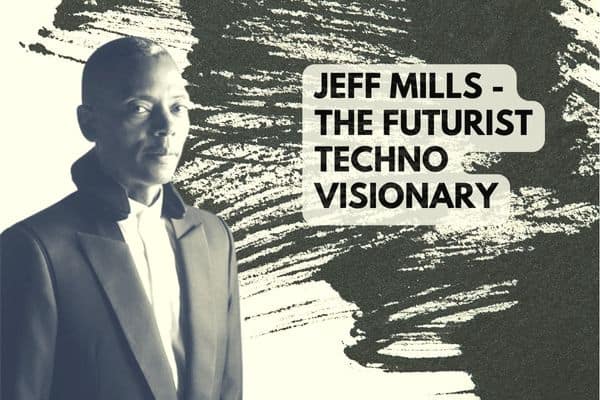
Jeff Mills started his career as a radio DJ in Detroit, hosting a show called “The Wizard” in the early 1980s that was known for its fast, technically demanding mixing style. He was co-founder of Underground Resistance alongside Mike Banks and Robert Hood — one of the most influential and uncompromising techno labels ever, operating with a deliberately anonymous, anti-commercial ethos.
As a DJ, Mills developed techniques that most people couldn’t replicate — notably his use of three turntables simultaneously, allowing for a layered, constantly shifting mix that went well beyond what two-deck DJing could achieve. His “Wizard Sleeve” technique, using forearm pressure to manipulate pitch control, became something of a legend among those who saw him play.
His interest in science fiction and space exploration has been a constant thread through his work — he’s presented performances in collaboration with NASA and scored films with cosmic themes. It gives his output a conceptual seriousness that sets him apart from most of his contemporaries. He remains one of the most technically gifted and intellectually consistent figures in electronic music.
Carl Cox – Global Techno Ambassador
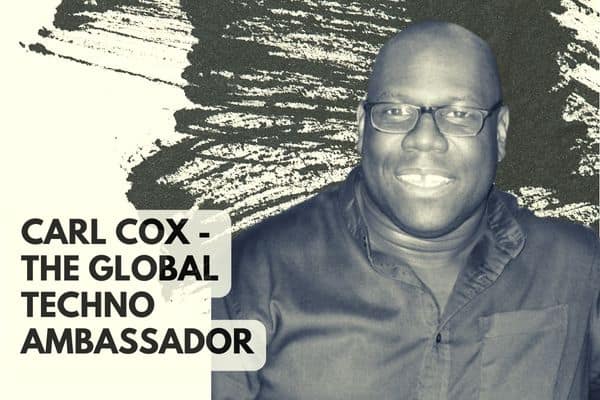
Carl Cox is one of the most recognisable names in dance music globally, and his longevity is arguably his most remarkable quality. His career stretches from the early acid house raves in the UK to Ibiza superclub residencies to festival headline slots across every continent — and at each stage he’s remained genuinely relevant rather than coasting on reputation.
He was a resident at The Hacienda in Manchester during its peak years, which put him at the heart of British rave culture during its defining period. His 15-year residency at Space Ibiza — “Music is Revolution” — became one of the most celebrated club nights in the world and helped establish Ibiza as the global centre of dance music tourism.
As a DJ he plays with genuine enthusiasm and technical ability, and his sets reflect a wide knowledge of house and techno without being rigidly genre-bound. Multiple DJ Awards for Best Techno DJ and Outstanding Contribution to the industry reflect the respect he commands within the scene. He continues to tour at the highest level and shows no signs of slowing down.
Derrick Carter – Chicago House Maestro
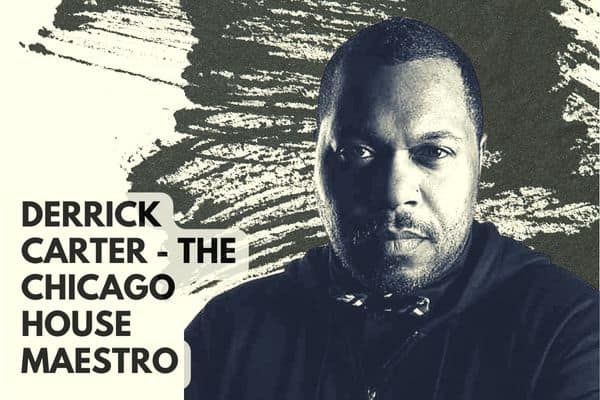
Derrick Carter is one of Chicago’s most respected house music figures, though he’s perhaps less well-known outside the scene than some of the names on this list. That’s partly by design — he’s always been more focused on the music and the dancefloor than on building a mainstream profile. He came up through Chicago’s acid house scene in the late 1980s and developed a style that’s been described as “boompty” — a term he’s credited with coining — characterised by its deep grooves and infectious swing.
His DJ sets are known for their technical precision and their feel — an ability to read a room and construct a journey through the night that feels both spontaneous and considered. His mashup skills in particular have become something of a signature. Beyond performing, he runs Classic Music Company, a label that curates releases from both established and emerging artists in the house and techno space.
Kevin Saunderson – Belleville Three
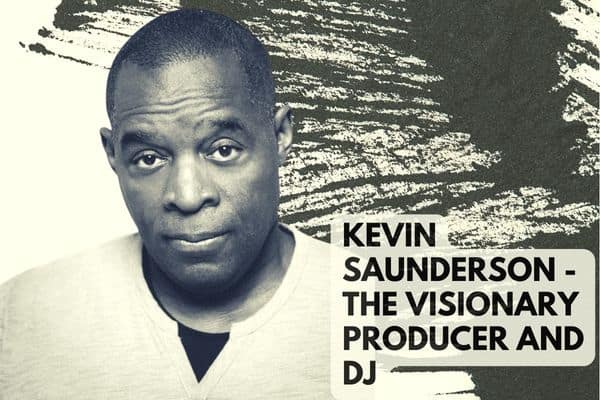
Kevin Saunderson is the third member of the Belleville Three alongside Juan Atkins and Derrick May, and his contribution to the Detroit techno movement is fundamental. Where Atkins leaned into the harder, more mechanical side of the sound, Saunderson brought a more melodic and accessible sensibility that proved to have enormous commercial reach.
His group Inner City — formed with vocalist Paris Grey — achieved mainstream chart success with “Big Fun” and “Good Life” in the late 1980s, making them one of the few acts to bring the Detroit sound to a truly mass audience without compromising it. Under his E-Dancer alias, he produced “Velocity Funk,” a harder-edged techno track that demonstrated the range he had as a producer.
He was also central to organising Detroit’s early rave scene, putting on events that introduced the music to audiences who wouldn’t have encountered it otherwise. He continues to perform and record, and remains closely connected to the Detroit music community that shaped him.
Final Thoughts
What’s striking about all ten of these DJs is how much of what they built came from genuine conviction rather than commercial calculation. Most of them were creating music for communities that the mainstream didn’t care about, in spaces that operated outside the industry. That’s where the energy came from, and it’s why the music still sounds vital decades later.
We’ll be covering more essential DJs in future posts. If you’ve got suggestions for genres or scenes we should dig into, find us on Instagram with the tag “world’s best DJs”.
| DJ | Style | Clubs Best Known For |
| Larry Levan | House, Disco, Funk | Paradise Garage, NYC |
| David Mancuso | Disco, Soul, Funk | The Loft, NYC |
| Frankie Knuckles | House, Disco, Soul | The Warehouse, Chicago |
| Juan Atkins | Techno, Electro, Funk | The Music Institute, Detroit |
| Kevin Saunderson | Techno, House, Electronica | The Music Institute, Detroit |
| Nicky Siano | Disco, Funk, Soul | Studio 54, The Gallery, NYC |
| Jeff Mills | Techno, Experimental | The Necto, Detroit |
| Carl Cox | Techno, House, Tech-house | Space Ibiza, Ibiza |
| Derrick Carter | House, Techno, Disco | Smart Bar, Chicago |
| Andy Weatherall | Acid House, Rock, Dub | Shoom, London |
FAQ’s

How are the world’s best DJs ranked?
Rankings typically draw on a combination of popularity, industry influence, technical skill, number of performances and award recognition. Fan polls, industry publications and booking data all feed into these lists. For a widely referenced annual ranking, DJ Mag’s Top 100 DJs poll is the most established, though it skews toward commercial electronic music rather than underground or legacy acts.
What makes a DJ world-renowned?
International reach, sustained influence and a body of work that crosses borders. The DJs on this list became world-renowned not because they chased mainstream recognition but because what they built was genuinely good enough that the world eventually came to them. Exceptional performance skills help, but so does having something distinctive to say musically.
Where can I find information about the top electronic music artists?
Artist websites and official social media are the obvious starting points for current news. For deeper coverage, The DJ Revolution, Acid Stag and Digital DJ Tips are all worth bookmarking. Resident Advisor also maintains extensive artist profiles going back decades.
How do the best DJs contribute to the evolution of EDM?
Mostly by refusing to stay still. The DJs who have had the most lasting impact are the ones who were willing to experiment with new sounds and production approaches rather than refining a formula that was already working. That willingness to move — often in unpredictable directions — is what pushes genres forward and creates space for the next generation.
Can I find live performances from these DJs online?
Yes — YouTube has an enormous amount of archival DJ footage, and streaming platforms host many official live recordings and radio sets. For quality recorded sets from established and emerging artists in a more curated context, Boiler Room is the best place to start. Their back catalogue covers most of the genres and many of the artists mentioned in this guide.
How can I stay updated with the latest news from these DJs?
Follow their official social media accounts and sign up to any newsletters they run — most active DJs communicate directly with their audience this way. For broader industry news and event listings, Resident Advisor is the most comprehensive resource in the electronic music space and covers everything from underground club nights to major festival announcements.
If you enjoyed this post, check out our feature on the Best Chicago DJs here.
Or check out our video on how to make an Ableton DJ mix here: