A producer with a million streams plays to forty people. A DJ with barely any streaming presence sells out a warehouse. In 2026, that gap isn’t an anomaly — it’s the whole story.
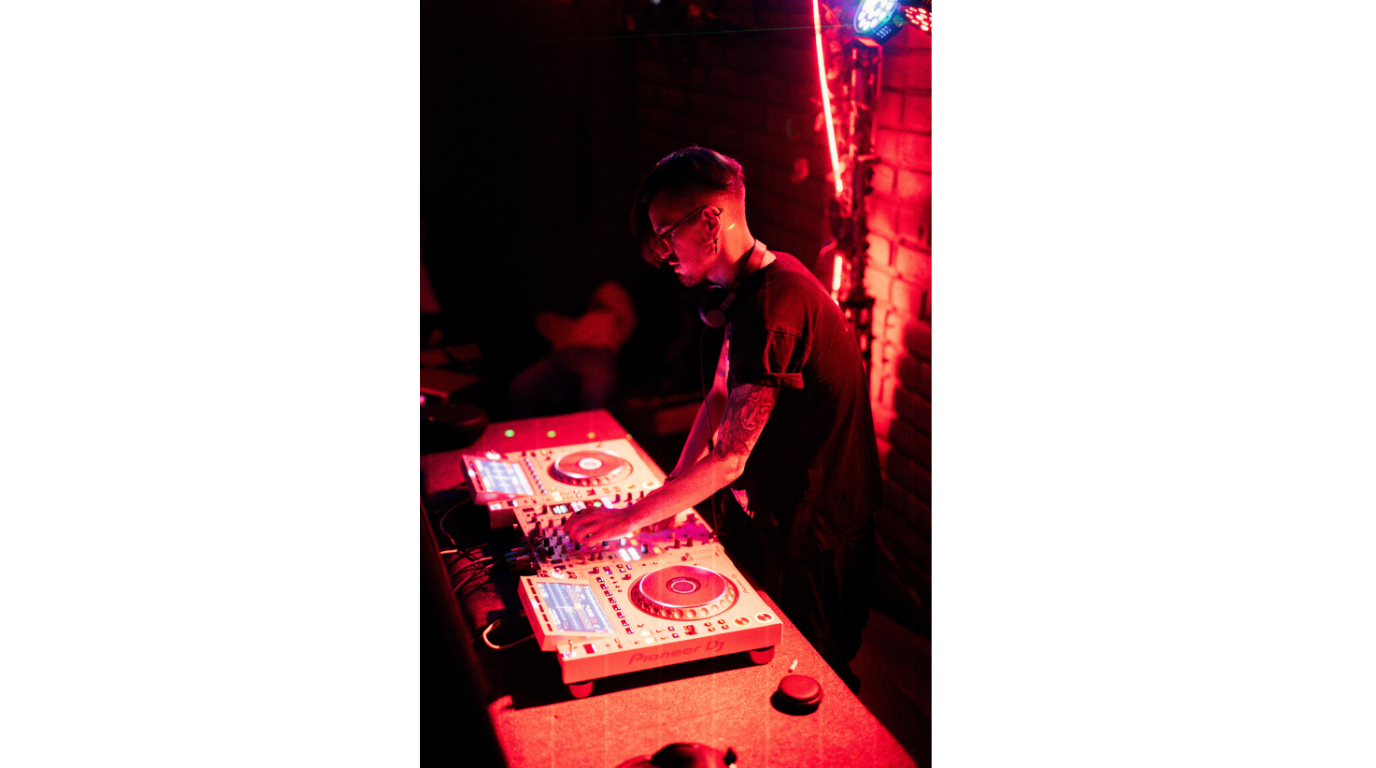
The global electronic music industry hit $15.1B in 2026, according to the IMS Business Report presented at IMS Ibiza — a record, and proof the genre is more commercially healthy than it’s ever been. But that health isn’t evenly spread. Mid-tier producers who also DJ are being squeezed from every direction: algorithmic streaming, AI tools, and the rising cost of just getting a live show off the ground. The money in dance music has never been bigger. Getting your share of it has never required more than just making good tracks.
The curation gold rush
Streaming platforms are pushing over 100,000 new tracks into the ecosystem every single day. Nobody can listen to that. What they can do is trust someone who already has — and that’s turned curation into one of the most valuable skills a DJ can have. The DJs and producers thriving right now aren’t necessarily the ones with the biggest back catalogue; they’re the ones who can build a crate, read a room, and filter the noise faster than an algorithm can.
This is also why knowing your keys properly and having a sharp source for new music matters more than it used to. If you’re not filtering well, someone — or something — will filter for you.
AI is your lab assistant, not your replacement
The 2026 Digital DJ Tips Global DJ Census — over 22,000 DJs polled worldwide — found that roughly 75% of DJs who use AI use it for discovery and playlist-building, not performance. And nearly 80% of all DJs surveyed still don’t use AI at all. That’s a genuine divide, and it’s not the one people predicted a few years ago. AI hasn’t replaced anyone behind the decks yet — but it has quietly become the tool doing your library management, your metadata tagging, and a chunk of your beatmatching busywork.
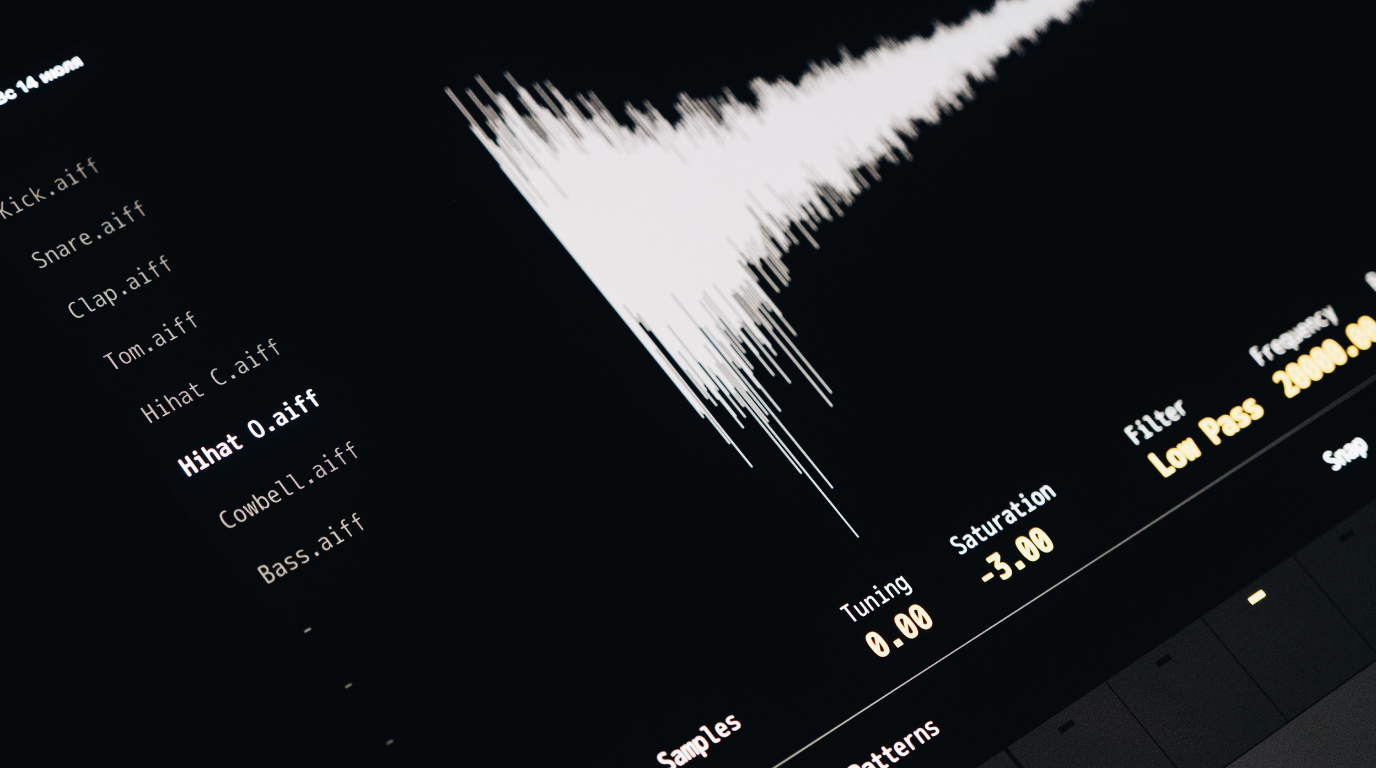
Software like the platforms in our 2026 DJ software comparison now build this stuff in natively — the tools have caught up to the trend line fast.
Stems and hybrid sets are the new baseline
For the first time, more than half of all DJs now use stems — and of those, 73% are doing real-time separation inside their DJ software rather than working from pre-prepped audio. That number alone tells you where the ceiling has moved. Festival stages increasingly expect hybrid performance: stems, live elements, and visual storytelling stitched together, not just two decks and a mixer.
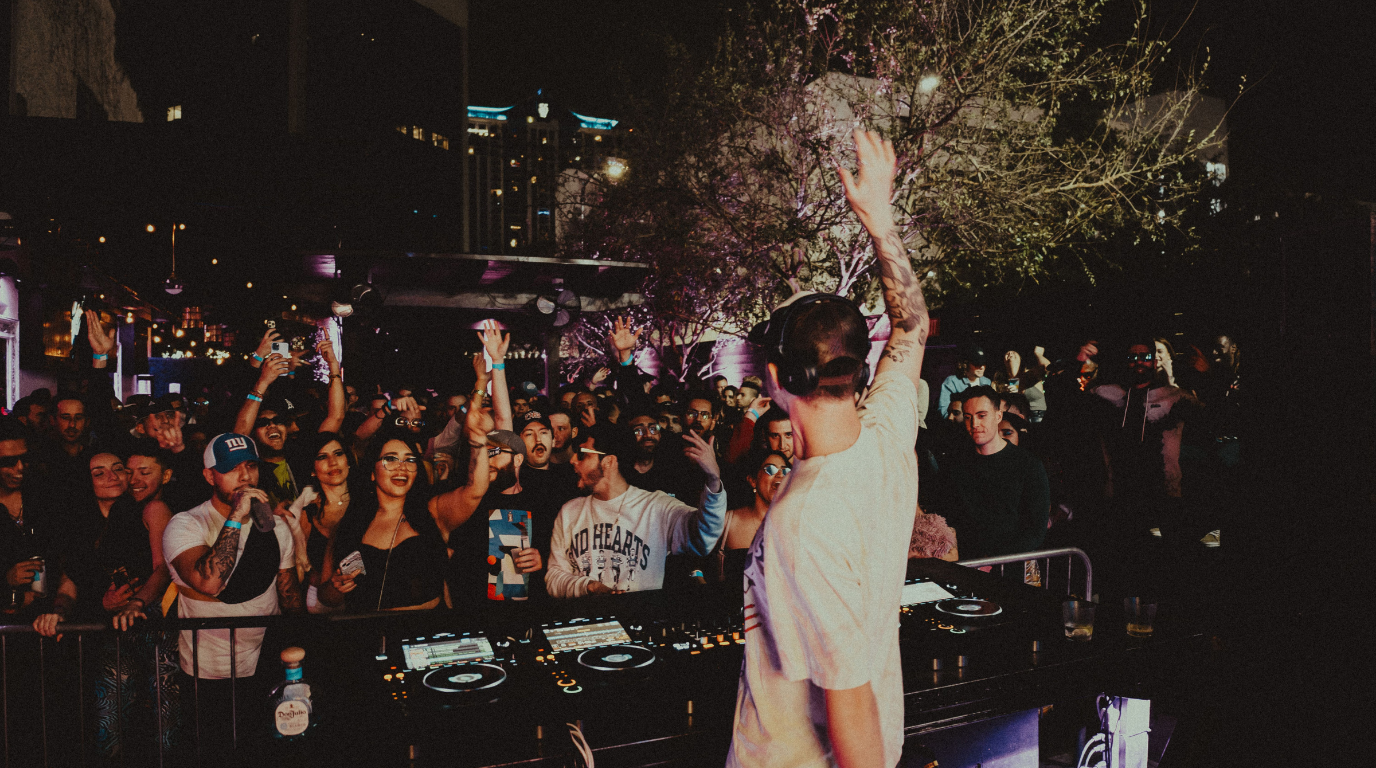
Here’s the uncomfortable part for producers: if your live show is just your releases in a different order, AI plus stems can reproduce that. Your edge has to be whatever only happens in the room, in that moment, on that night.
Genre walls are collapsing
Tech house and house are still commercially dominant, but the real energy in 2026 is happening at the edges. The IMS Report flags Indonesia as a genuine breakout market — a 77% surge in electronic music listeners on Spotify — and singles out Afro house as the fastest-growing club sound globally. Add in the continued rise of regional scenes — Vinahouse, guaracha, hard techno, Schranz revivalism — and you get a picture of dance music fragmenting into strong, specific micro-scenes rather than converging on one global Top 10.

The smart move for a producer-DJ isn’t chasing every one of these waves. It’s picking one — the sound you actually believe in — and becoming the person your scene turns to for it.
The end of the secret USB
Cloud-linked hardware and login-based libraries are changing what “your” music collection even means. In the same Digital DJ Tips census, 41% of DJs named streaming-platform integration inside DJ software as the tech development that excited them most this year — Apple Music is now natively supported across Serato, rekordbox, and Engine DJ, with Spotify integration currently unique to Algoriddim’s djay Pro.
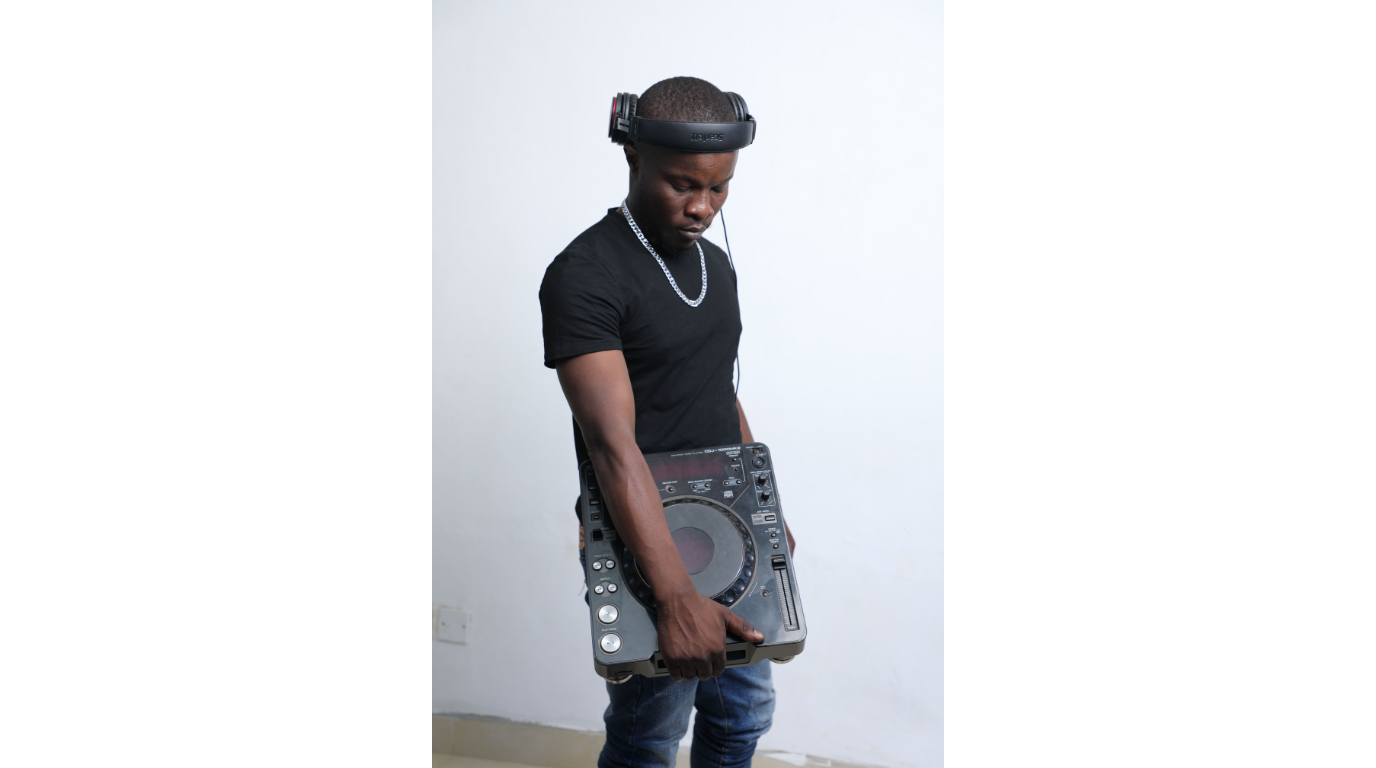
That quietly kills off the old “secret weapon” mentality — owning some rare file nobody else has. When everyone’s drawing from the same shared catalogues, your advantage isn’t what’s in your library. It’s what you do with it.
Surviving the creator economy
For the first time, streaming revenue growth in dance music slowed relative to the rest of the industry — pushing a real pivot toward what the IMS Report calls the “fan economy”: merch, direct-to-fan memberships, physical releases, and community-first monetisation. Mid-tier producers who rely purely on streaming payouts are facing what more than one 2026 industry analysis has bluntly called an extinction event.
The producers navigating it well are the ones treating their audience like a community rather than a follower count — small paid memberships, direct sales, events that only their people know about. A superfan list of 500 people who’ll show up and pay is worth more than 50,000 passive monthly listeners.
Clubs, festivals, and the return of the underground
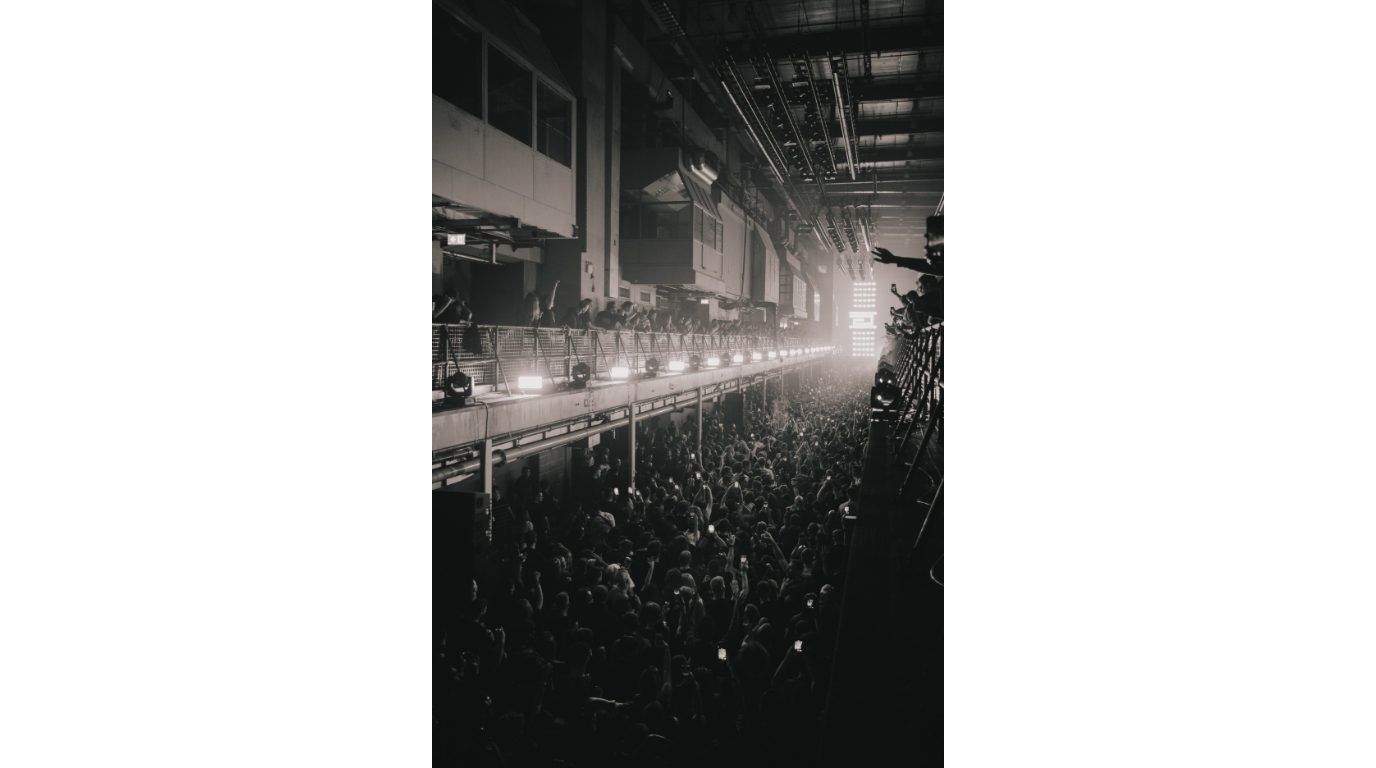
Live revenue is up sharply across major markets, but ticket volumes are down — fewer shows, priced higher, which squeezes the middle of the bill hardest. At the same time, there’s a genuine resurgence of warehouse parties and DIY nights, partly as a direct reaction to burnout from purely online scenes. For a producer-DJ starting from zero in 2026, the old ladder — release music, hope a festival notices — is far less reliable than: build an online presence, throw your own night, grow a real micro-scene, and let the festivals come looking for the crowd you already built.
The bottom line
None of this means production skill stopped mattering. It means production skill alone was never going to be enough, and in 2026 that gap is impossible to ignore. The producer-DJs who are winning right now treat their music as the start of something — a scene, a community, a point of view — not the finished product. Curate sharply. Use AI to go further, not to fake it. Pick your lane instead of chasing every trend. And build the room before you wait for someone else to book you one.
Just starting out, or rebuilding your approach for 2026? Our honest beginner’s roadmap covers the gear, software, and first steps — with none of the gatekeeping.